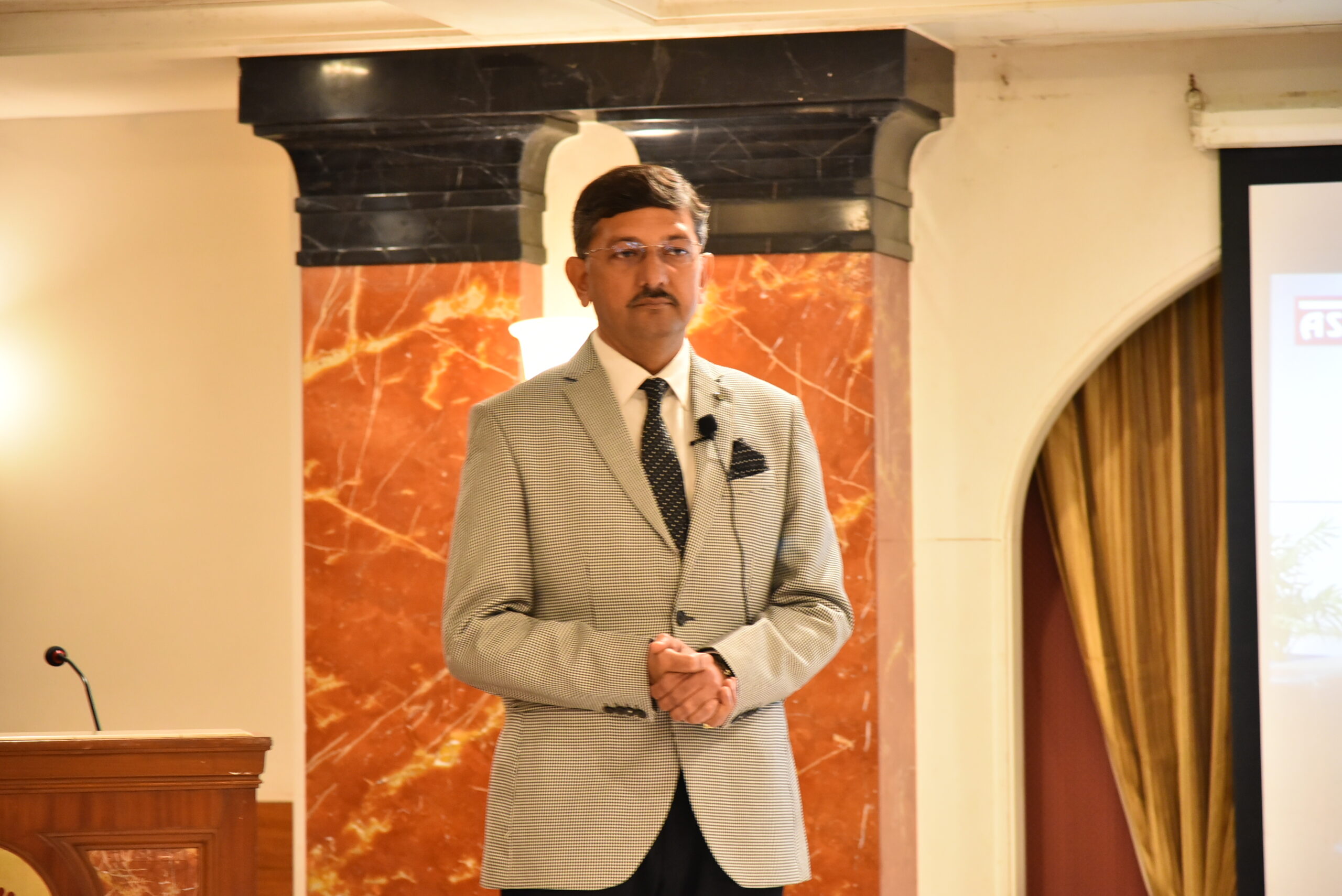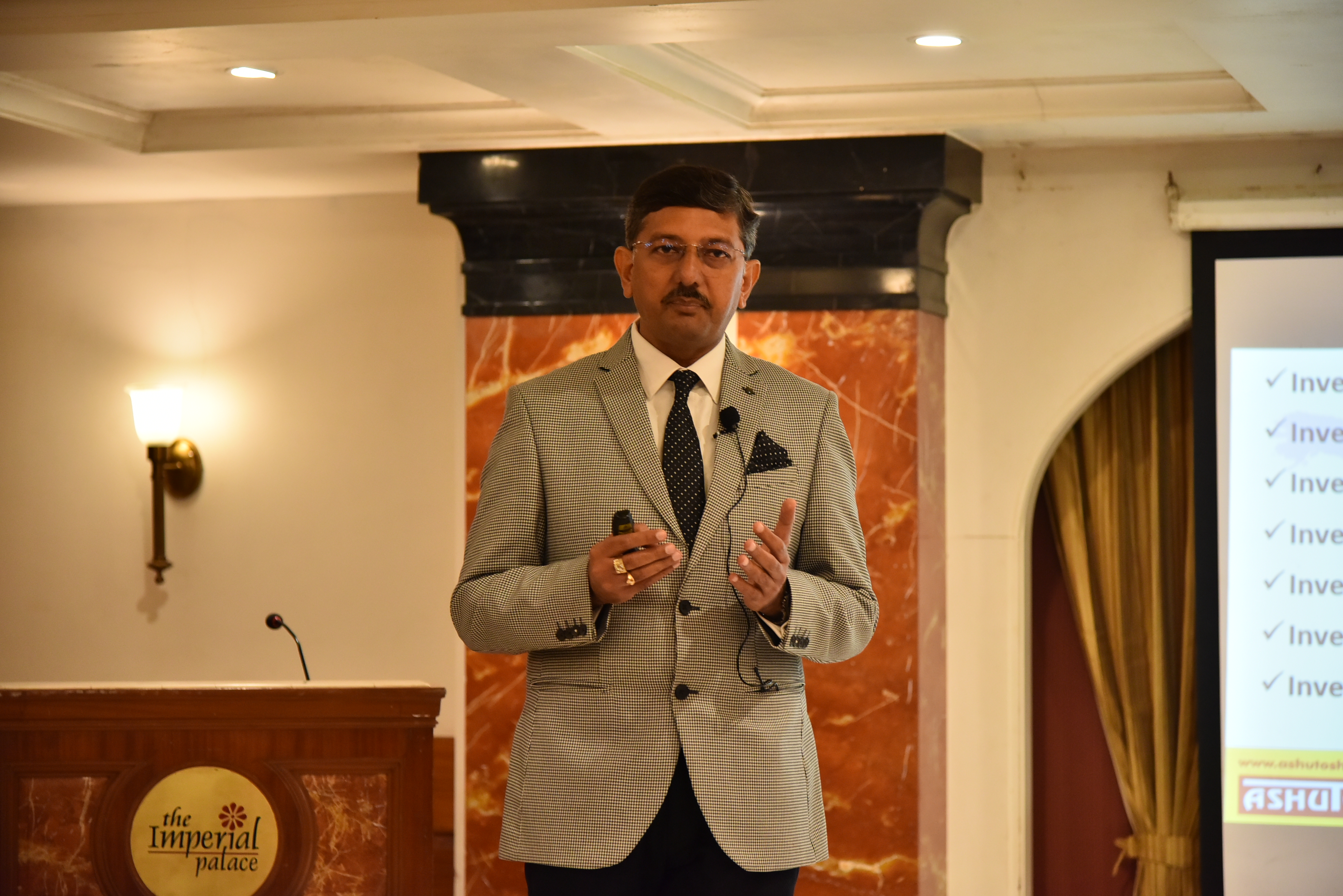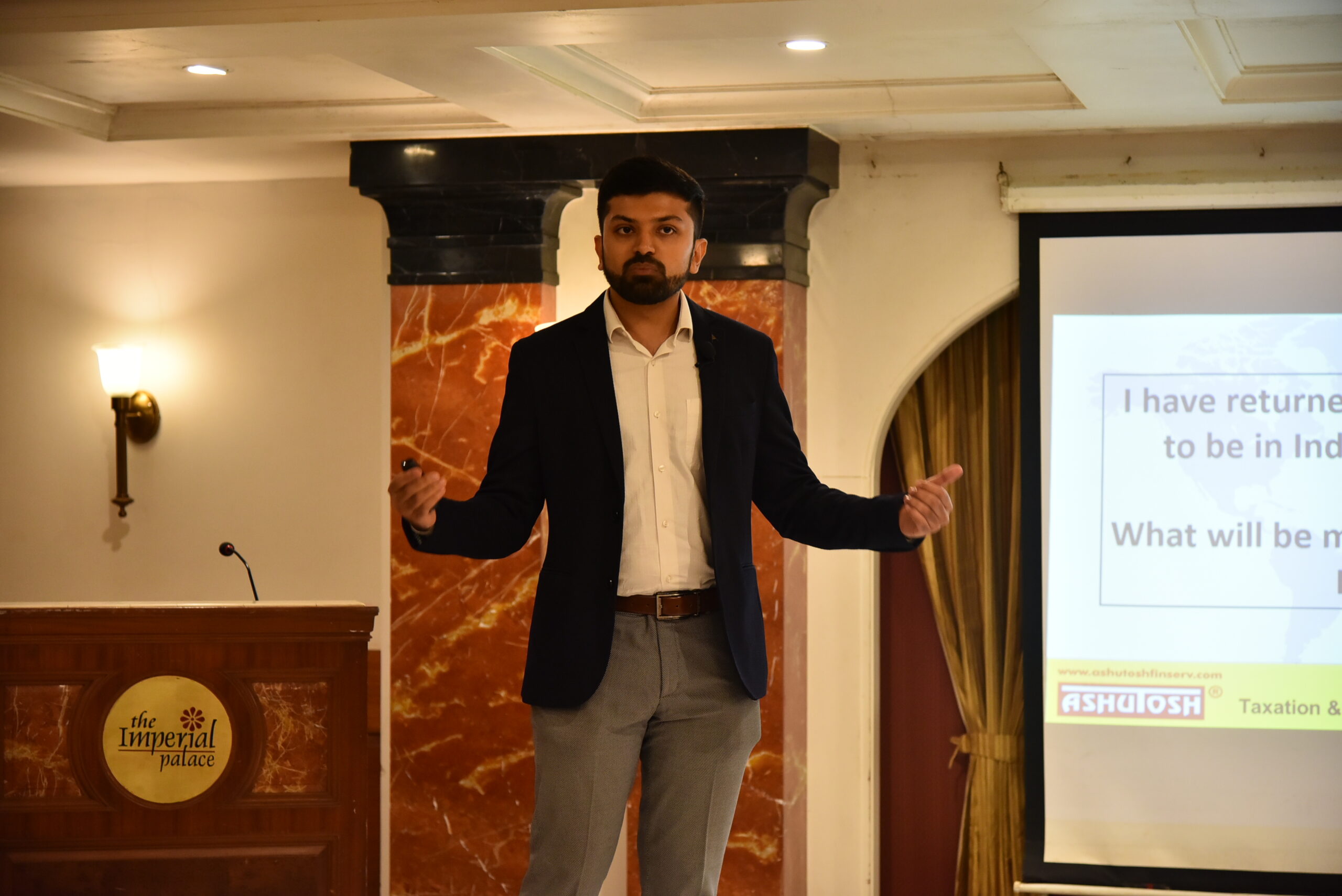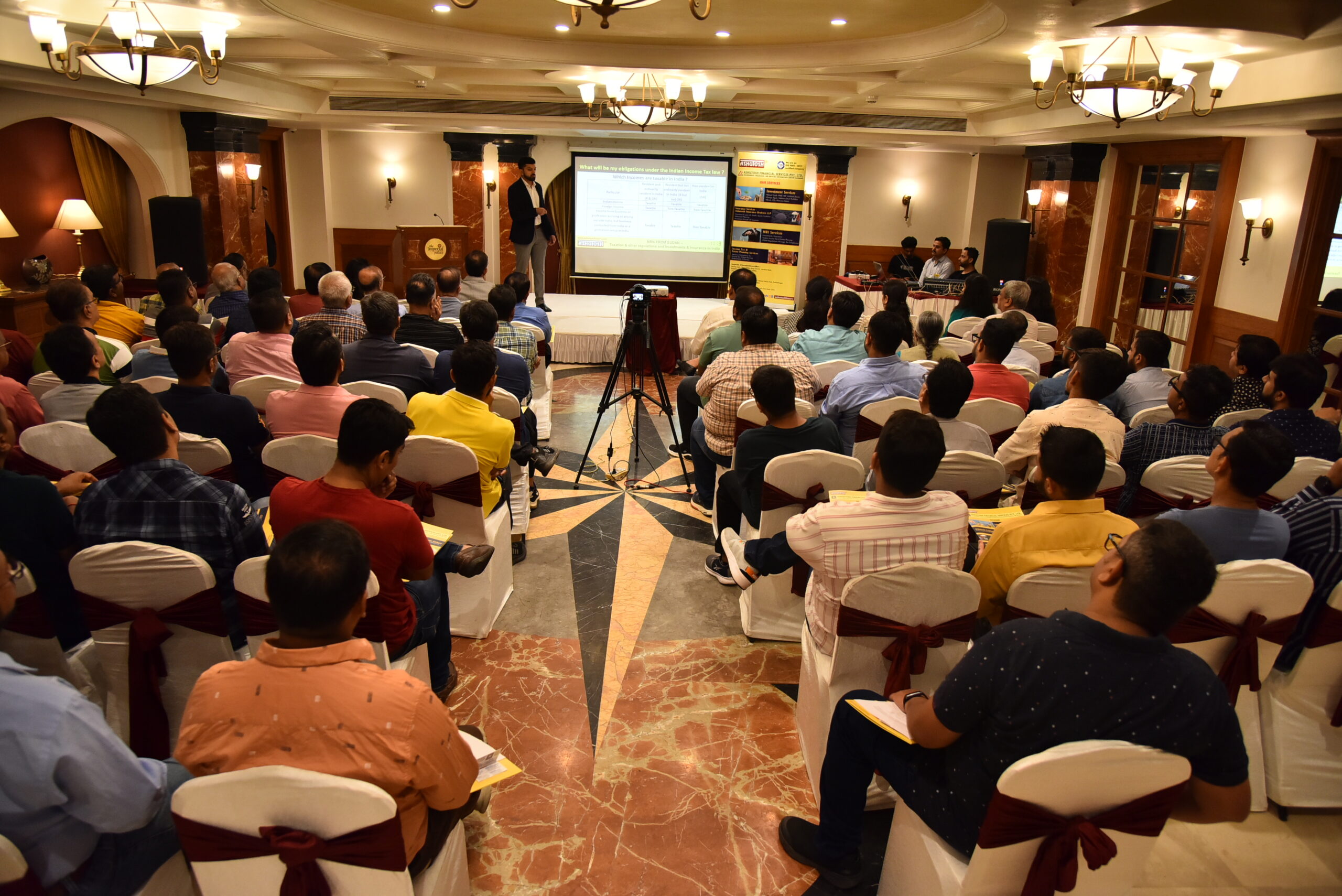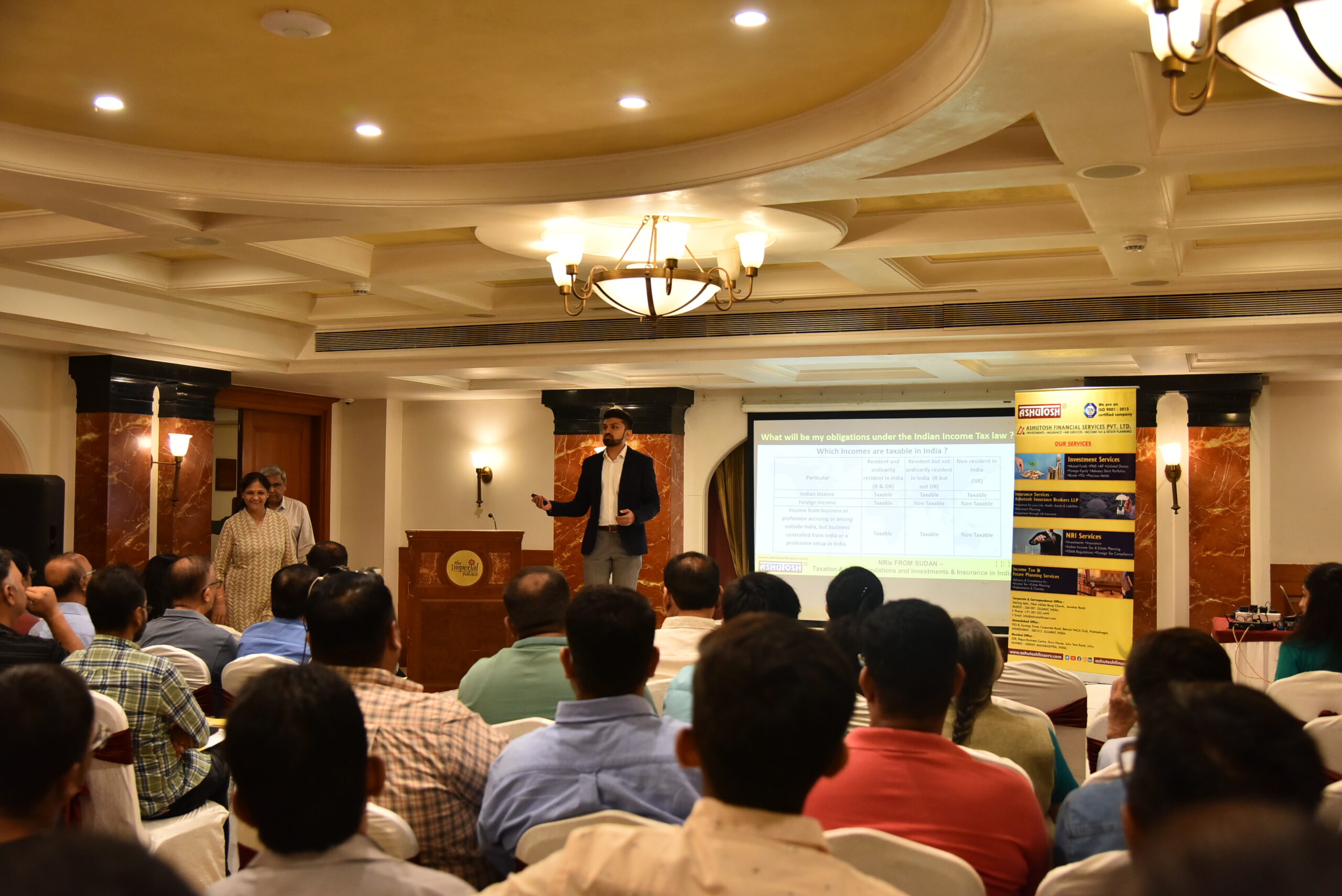
Every few years, global events reshape the plans of thousands of Indian families abroad. In 2023, the civil conflict in Sudan forced many Indian residents there to return home, often with little notice and even less clarity about what their return meant financially. It was this reality that shaped a session Ashutosh Financial Services organised in Rajkot on 17th July 2023, bringing together returning NRIs to address a question far more complicated than it first appears: what happens, financially, when you come back to India for good? The event reflected the company’s continuing belief that sound financial decisions start with clear information, and that families facing sudden transitions deserve practical, well-explained guidance rather than generic advice.
The session, led by Daxesh Kothari and CA CFP Rajit Kothari, was designed specifically for NRIs who had returned from Sudan and now intended to stay in India indefinitely. For this audience, residency isn’t just a matter of geography. It determines tax liability, which bank accounts they can legally hold, how their overseas assets are treated, and what compliance obligations suddenly apply to them. Getting these classifications wrong can be costly, so the session began by unpacking exactly how the law defines who counts as a resident.
Under the Income Tax Act, a person becomes a resident of India if they spend 182 days or more in the country during a financial year, or 60 days or more in that year combined with 365 days or more across the preceding four years. Residents are further split into two categories: “Resident and Ordinarily Resident” and “Resident but Not Ordinarily Resident,” a distinction that matters because it decides whether foreign income is taxed in India at all. Only those who are Resident and Ordinarily Resident have their global income taxed here; others are taxed only on Indian income. The session also touched on the Double Taxation Avoidance Agreement India holds with over 90 countries, including Sudan, which allows taxpayers to choose whichever set of provisions, the DTAA or the Income Tax Act, works out more favourably for them.
Interestingly, the Foreign Exchange Management Act, or FEMA, defines residency differently from the Income Tax Act, and this gap trips up many returning NRIs. Under FEMA, intent matters as much as days spent in India. Someone who comes back planning to settle permanently is treated as a resident from that point, regardless of the 182-day threshold, and this immediately affects which bank accounts they can hold. NRE, NRO, and FCNR accounts are meant for non-residents; once residency status changes, these need to be converted, either into ordinary resident accounts or into RFC (Resident Foreign Currency) accounts, which let returnees continue holding foreign currency without penalty. The tax treatment of interest earned differs across these account types, and the session walked through how RFC deposits, for instance, remain exempt from tax until a person becomes Ordinarily Resident.
Beyond compliance, the discussion moved into investment strategy for a person rebuilding their financial base in India. The speakers pointed to India’s comparatively strong economic growth and stock market performance relative to other major economies as reasons to weight a portfolio toward Indian equities, while also making the case for global diversification through US equities, given how much of the world’s most recognised companies and market capitalisation sit there. The conversation distinguished between direct stock picking, which demands time and carries a less favourable tax treatment, and investing through mutual funds or portfolio management services, which offer built-in diversification and professional oversight. Fixed income options, gold bonds, and even unlisted shares, for investors comfortable with a longer holding period, were discussed as ways to round out a balanced portfolio rather than concentrate risk in any single asset class.
Insurance planning received equal attention, with a distinction drawn between pure term cover for protection, guaranteed-income plans that can double as a retirement or children’s corpus, and whole-life policies that function more as estate-planning tools, passing assured value on to nominees. The session closed by introducing a wealth-creation approach that pairs equity mutual fund investing with a systematic withdrawal plan, aiming to generate a monthly cash flow similar to a fixed deposit while allowing the underlying investment to keep growing.
For anyone navigating the aftermath of an abrupt return home, the value of a session like this lies less in any single rule and more in seeing how tax law, foreign exchange regulation, and investment planning fit together. Ashutosh Financial Services continues to organise sessions of this kind because financial transitions, however difficult the circumstances that trigger them, go far more smoothly when people understand the choices in front of them.