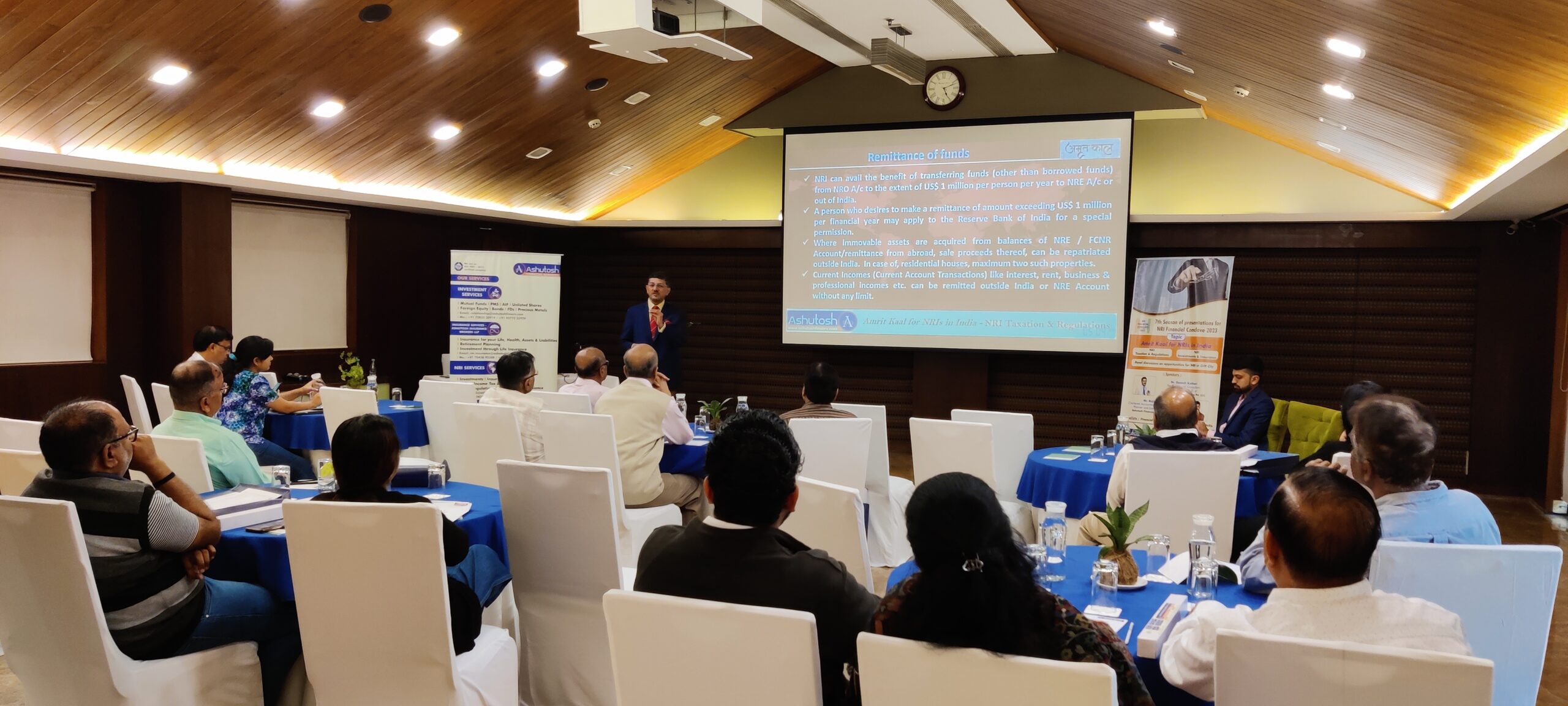
Every year, as more Indian families spread across continents while keeping deep financial and emotional ties to home, the questions around managing money across borders only grow more complicated. Ashutosh Financial Services has long held the view that good financial decisions start with good financial understanding, which is why the firm regularly brings together tax experts, fund managers, and bankers to walk NRIs through the rules, risks, and opportunities that shape their financial lives in India. The NRI Financial Conclave 2023, part of a series now in its seventh edition, continued that tradition with sessions held across Rajkot, Jamnagar, Ahmedabad, Anand, and Vadodara, alongside virtual sessions for a global audience.
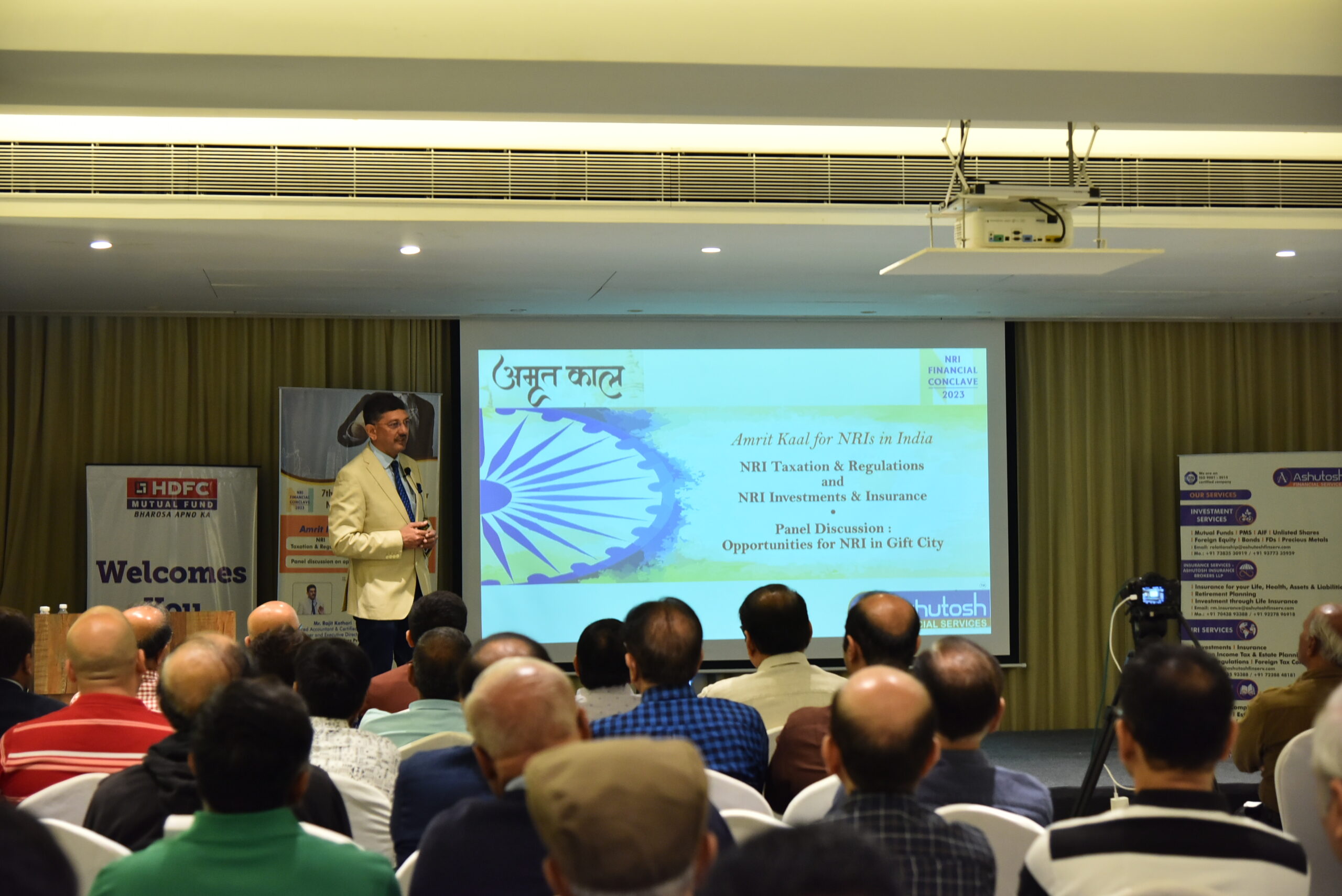
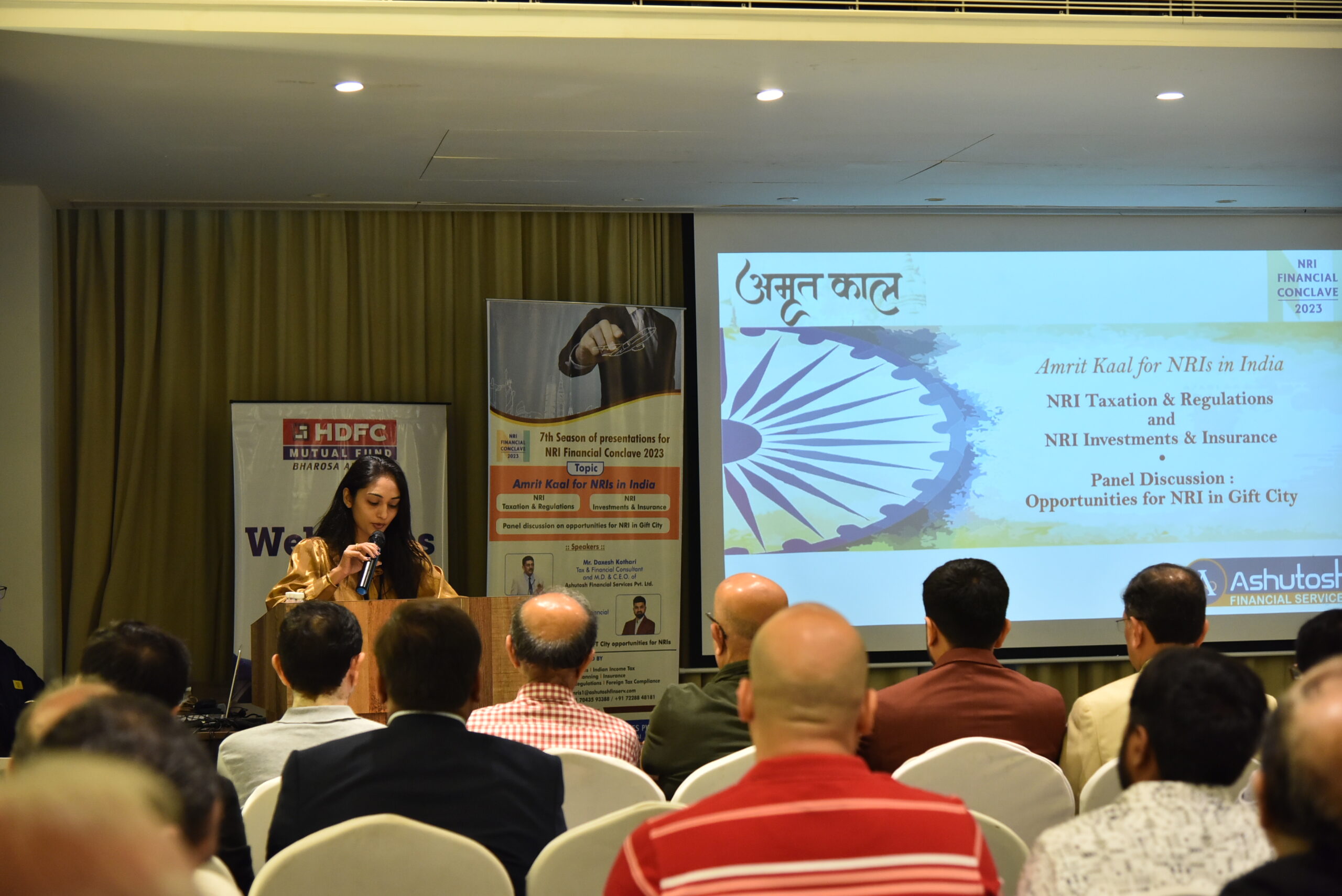
Titled “Amrit Kaal for NRIs in India,” the conclave was led by Daxesh Kothari and CA Rajit Kothari, and covered two connected themes: NRI taxation and regulatory compliance, and NRI investments and insurance. The audience of Non-Resident Indians is a particularly relevant one for this kind of session, since NRIs sit at the intersection of two or more tax systems, two sets of banking rules, and often two different life stages of planning, one abroad and one back home.
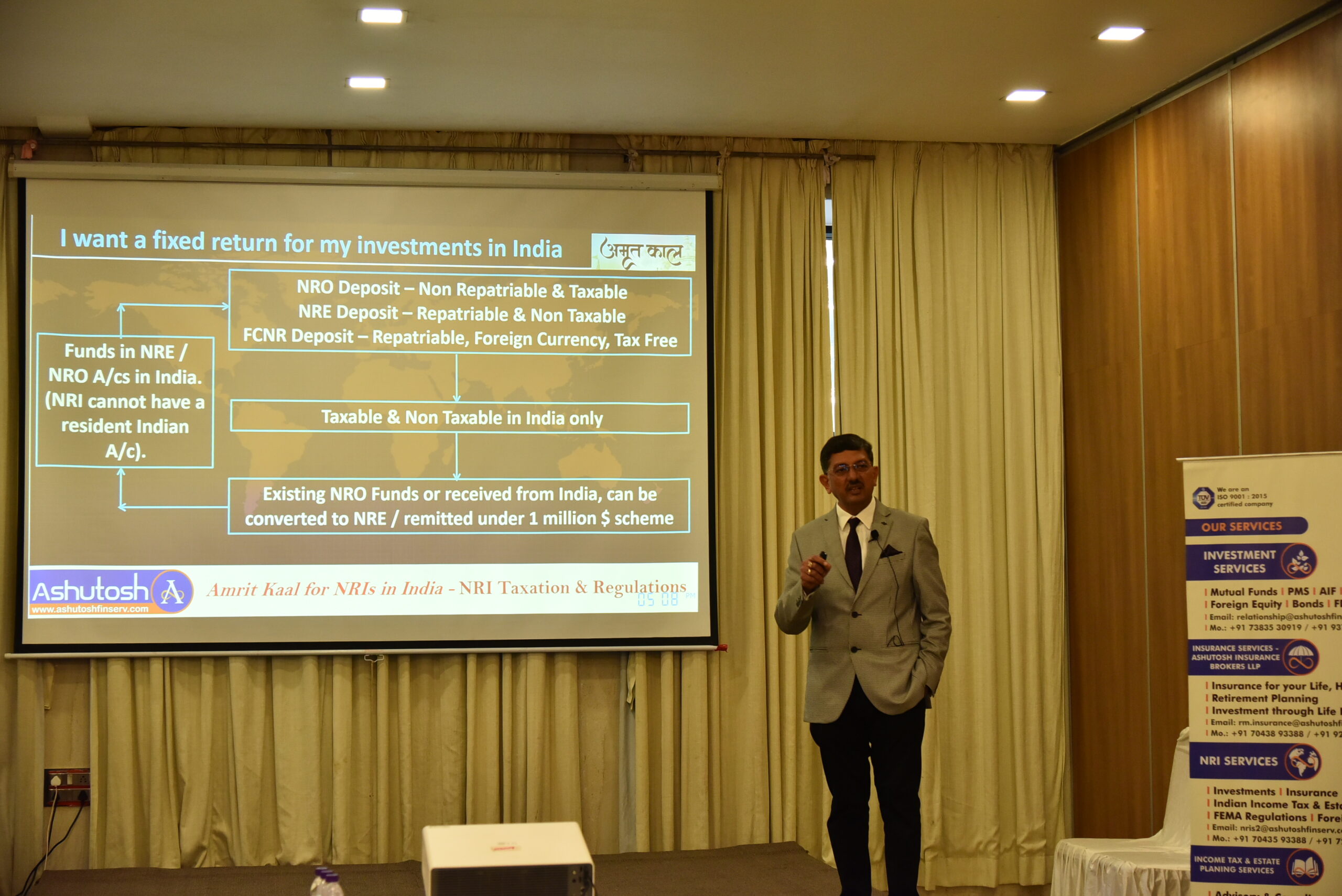
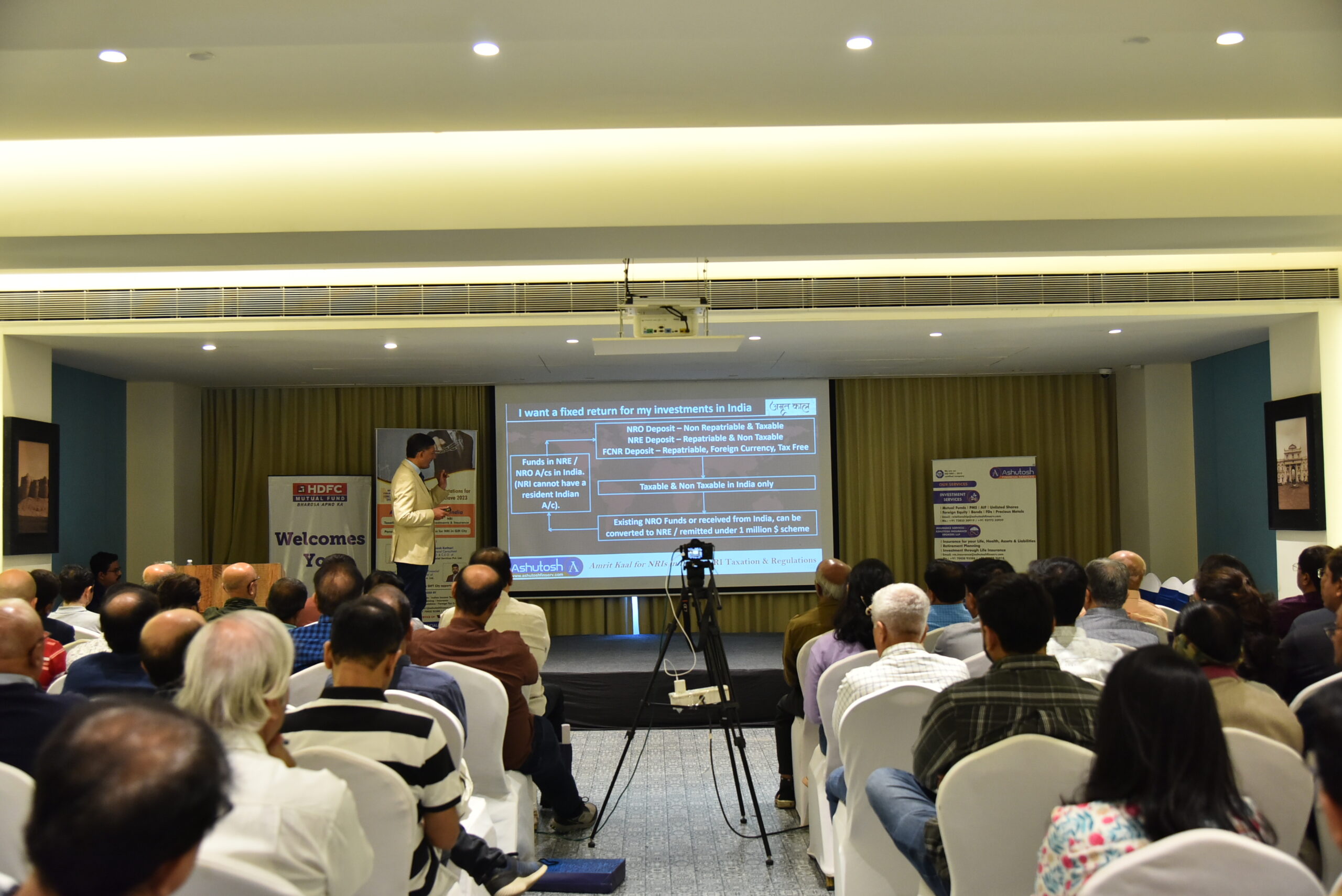
The taxation portion of the session began with a practical concern many NRIs share: how to earn a fixed, predictable return on money parked in India. The speakers walked through the three main account types available to NRIs, the NRO account, which holds taxable, non-repatriable funds, the NRE account, where both the principal and interest are tax-free and can be freely moved out of India, and the FCNR deposit, held in foreign currency and also tax-free. Since NRIs cannot hold a regular resident Indian account, understanding how funds move between these accounts, including the option to remit up to one million US dollars a year from an NRO account to an NRE account, becomes central to managing money efficiently.
From there, the discussion moved into how NRIs can invest and do business in India, covering real estate, private companies, listed shares, mutual funds, and alternative investment funds, each with its own tax treatment and repatriation rules. For instance, long-term gains on property sold after two years are taxed at 20 percent, while equity investments carry different holding-period thresholds and rates. A recurring theme was that repatriation, meaning the ability to send money back out of India, depends heavily on how the original investment was funded and structured, which makes early planning worthwhile.
Because many attendees hold tax residency in more than one country, the session gave real weight to double taxation. India has tax treaties, known as Double Taxation Avoidance Agreements, with more than 90 countries, and these agreements determine which country has the right to tax a given stream of income when someone qualifies as a resident of both. For Green Card and US passport holders in particular, the speakers explained how the tie-breaker rules within the India-US treaty work, and what disclosures, such as Form 8938 for foreign assets or Form 8621 for mutual fund holdings, may be required to stay compliant on both sides. A practical point that often catches people off guard is that India’s financial year runs from April to March while the US tax year runs January to December, so income has to be carefully segregated by date to claim the right tax credits in each country.
The investment portion of the day looked at how NRIs might participate in India’s current growth phase, sometimes referred to as its “Amrit Kaal,” a period marked by relatively strong GDP growth, a young workforce, and rising domestic investment. The session covered routes ranging from equity mutual funds and portfolio management services to unlisted shares and alternative investment funds, along with a look at insurance-linked products such as ULIPs and guaranteed return plans, which combine market exposure or fixed returns with a life cover. A recurring piece of guidance was that real estate, while a common instinct for NRIs, often comes with liquidity and management challenges that financial assets do not, making it worth weighing carefully against other options.
The day closed with a panel discussion on Gujarat’s GIFT City, India’s first International Financial Services Centre, featuring Amit Doshi of HDFC Asset Management and Chintan Patel of Kotak Mahindra Bank. The panel discussed how GIFT City operates under its own regulatory framework, offers tax concessions under Section 80LA, and allows structures like Family Investment Funds for those looking to consolidate and manage wealth in one place.
Sessions like this one reflect why financial literacy remains an ongoing conversation rather than a one-time lesson, particularly for NRIs navigating rules that shift with geography and circumstance. Ashutosh Financial Services continues to organise these conclaves each year as part of its broader effort to help individuals understand their options and make informed decisions about their financial lives in India.